Nihonzashi 二本差し Sword Store & Dojo
|
|
Japanese swords and equipment for serious training! Our focus is
supporting students of the sword and providing high quality functional swords
and a full line of accessories. If you study iaido, battodo, kenjutsu,
or any other form of Japanese swordsmanship - this is the place you have been
looking for. You can choose from over 80 different katana that we have in-stock
at our store. We carry shinken (cutting swords) and
iaito (practice swords).
Not a martial artist and just looking for a real samurai sword? We can
help you too. We offer CAS Hanwei and Cold Steel swords for the
discriminating collector. These hand forged swords are made with
traditional techniques. Don't know anything about Japanese Swords?
Check out our FAQ section to get started.
We have new and Japanese tatami omote targets in stock and ready to
ship. These targets are recommended for serious tameshigiri (test cutting)
and available in bulk.
|
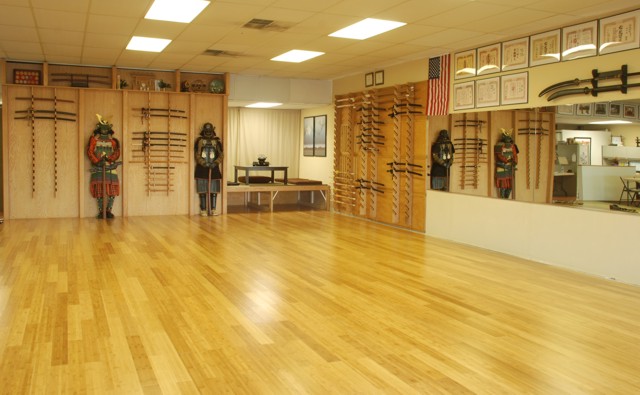
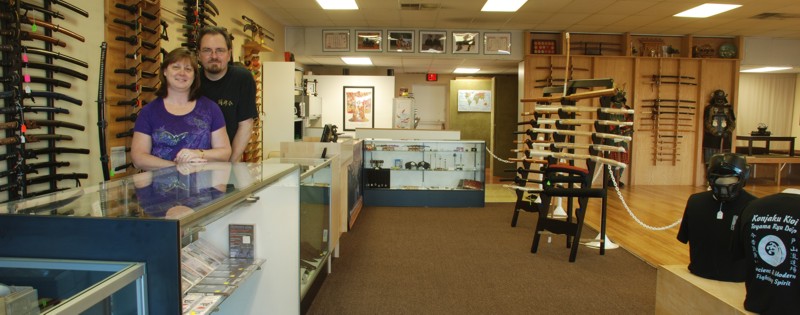
| Come visit us in our new store with more
space and a much larger dojo area. We have over 80 different
sword models in stock and ready for you to try.
Come to shop for a new sword or join us in our
traditional Japanese sword training. |
 |
 |
Dojo Videos
BTW Doug and Mike are using the Tori XL, James and
Stephen are using the Practical XL, Adrian is using the
Oni, and Sherry is using the Musashi XL.
We offer a full line of training equipment and services. We are a one stop shop
for your training and collecting needs. We offer training, sharpening, and
repair in addition to a full line of iaito and shinken. Check out our
DIY guides useful data on maintaining or upgrading your swords. Buy
from a company that can do more than just ship you a sword.
If you live in the Tampa / St Pete area, come visit us at our store at 5980 66th
St N Suite M in St Petersburg Florida. We offer Toyama Ryu Swordsmanship
classes.
- Discounted Prices (normally 15% to 40% off of retail)
- FREE Shipping on Shinken or Iaito Katana purchase (continental USA only, excludes Alaska and Hawaii)
- FREE Shipping on any purchase over $150 (continental USA only, excludes Alaska and Hawaii)
- 90 Day Money Back Guarantee (See
Details)
- Lifetime 1/2 Price
Sharpening and
Repair on any Shinken or Iaito Katana
Nihonzashi Sword Shop and Dojo offers a unique place where you can come check
out our huge selection of swords first hand. Every sword is different and
we believe you need to personally find the right equipment for you. Let us
know if you we can support you or your dojo.
|